Original Afrikons explanatory text based on World Bank remittance methodology. Afrikons summary; external journalists retain their original affiliations.
The visible fee on an international transfer is not always its full cost. The World Bank’s Remittance Prices Worldwide methodology separates the fee from the margin embedded in the exchange rate used to convert the money.
A provider can quote a small transfer fee while offering an exchange rate that leaves the recipient with less local currency. Looking at the amount delivered for the same amount paid makes that difference clearer. Some recipient-country fees and taxes may also fall outside the database’s coverage.
The World Bank records how a transfer is funded and received, its speed and the provider’s network coverage. Those details matter because an account transfer, cash pickup and mobile-wallet payment are different services, even when they connect the same countries.
The data describe surveyed products and price points, rather than a guaranteed quote for every customer. A corridor average is therefore useful context, but the current terms of an actual transfer still determine its price and delivery.
The amount a recipient receives can reveal costs that a headline transfer fee leaves out.
Source archive dated 16 Oct 2026. This article is not a live update.
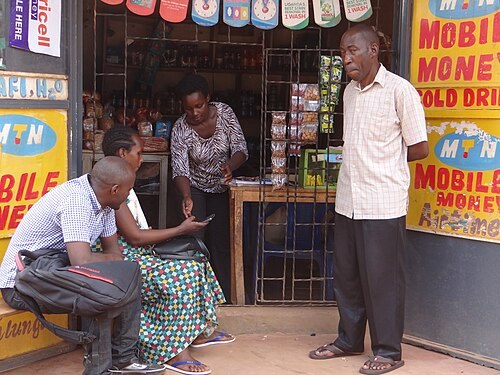
Context photograph: A mobile-money outlet in Uganda · Ndiwulira · CC BY-SA 4.0. Resized/cropped; does not depict this reported event.
Request a correction →