Original Afrikons editorial preview. FAO methodology provides background; the judgments are the author’s proposed editorial position. Afrikons summary; external journalists retain their original affiliations.
Opinion · The interpretation is separate from the linked factual reporting.
A global food-price figure can begin a story, but it should not be allowed to stand in for a shopper’s experience. FAO’s index follows international commodity prices. Our view is that local affordability reporting needs evidence gathered at the level its headline describes.
An effective report would identify the market, the product and the period being compared. It would explain where the prices came from and avoid presenting a small selection as a complete national picture. Readers should be able to see what the evidence supports.
The same discipline should apply to explanations. A suggested cause is a question to investigate, not an answer to attach automatically to a price movement. We would seek attributable accounts from the relevant parts of the supply chain and distinguish those accounts from independently checked information.
This proposed approach takes more care than repeating a benchmark, but it offers readers a clearer connection between the headline and daily life. The ambition is practical understanding, with the boundaries of each comparison kept visible.
Specific local evidence makes affordability reporting more useful and keeps global benchmarks in their proper context.
Source archive dated 16 Oct 2026. This article is not a live update.
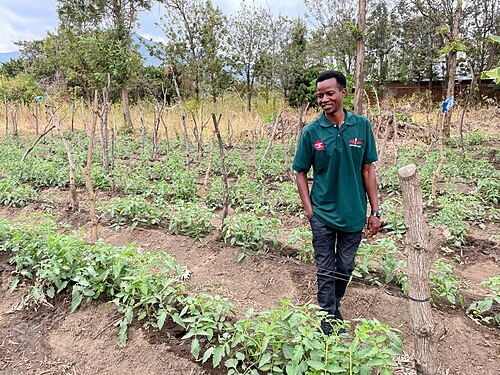
Context photograph: A farmer in a tomato field · AmyAbroad · CC BY-SA 4.0. Resized/cropped; does not depict this reported event.
Request a correction →