
For migrant workers in South Africa, sending money home is often a financial responsibility that cannot wait. Whether it is paying school fees, covering medical expenses or supporting relatives with everyday needs, remittances remain an important lifeline for families across Africa.
But accessing the services needed to send that money can involve travelling long distances, particularly for people who rely on cash.
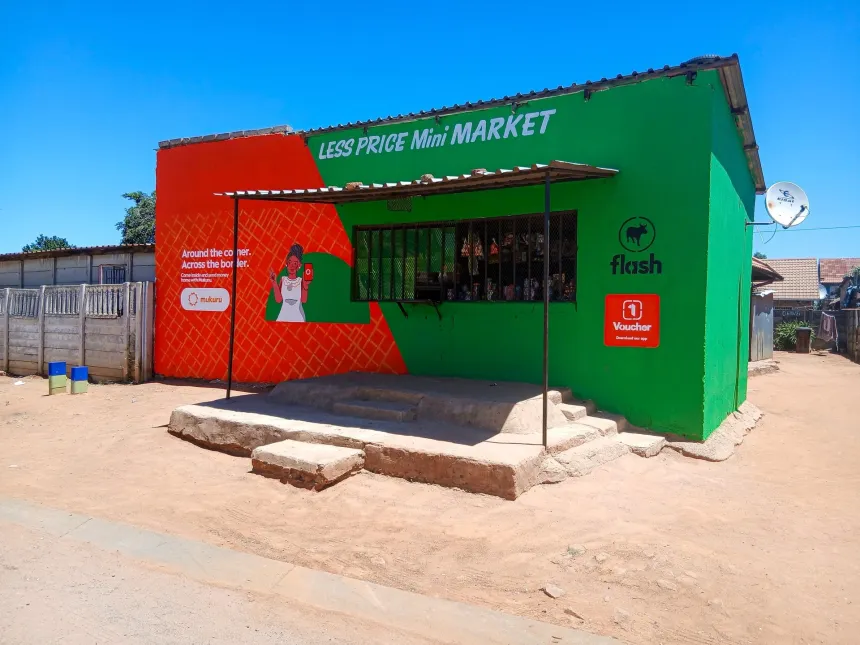
Mukuru, a financial services company specialising in cross-border money transfers, has partnered with payments technology provider Flash to address this challenge. Announced on November 6, 2026, the partnership introduces 170,000 cash pay-in points across South Africa, allowing customers to pay for their Mukuru transfers at participating Flash merchant locations.
The network includes neighbourhood retailers and other partner outlets, many of which customers already visit for everyday purchases. The new locations are operational, according to the announcement.
For Mukuru customers, this means they can complete the payment for a money transfer at participating local shops rather than making a separate journey to a dedicated payment outlet.
Flash provides payment technology and business services to merchants across South Africa, including spaza shops — small neighbourhood retailers that sell groceries and household essentials. Its payment infrastructure allows these businesses to offer services beyond traditional retail transactions.
The partnership also creates a potential commercial opportunity for participating merchants. Customers visiting to pay for transfers may purchase other goods, giving retailers another way to attract foot traffic and generate sales. The extent of that benefit will depend on transaction volumes and customer uptake.
Expanding the reach of financial services
The arrangement highlights a growing approach to financial inclusion: using existing retail networks to extend access to financial services.
Rather than relying entirely on conventional bank branches or building new payment infrastructure, financial technology companies can work with businesses already embedded in local communities. This is particularly relevant in markets where cash remains widely used and access to formal financial services varies.
For Africa's remittance economy, the convenience of payment channels matters. Money sent across borders supports household consumption, education, healthcare and other essential needs. Reducing the practical difficulties involved in sending these funds can improve the experience for both migrants and their families.
Mukuru and Flash are demonstrating how existing neighbourhood businesses can become part of the infrastructure supporting Africa's financial services industry. The bigger opportunity is not simply making remittance payments more convenient, but connecting financial technology to the local commercial networks that millions of Africans already depend on.
Source archive dated 10 Nov 2026. This article is not a live update.
Mukuru and Flash Cash Points (The Bulrushes)
Request a correction →