The African Union (AU) will bring together anti-corruption agencies, law enforcement authorities and asset recovery practitioners from across the continent in Abuja this week as African governments seek to strengthen cooperation in tracing, confiscating and returning proceeds of corruption and other illicit financial activities.
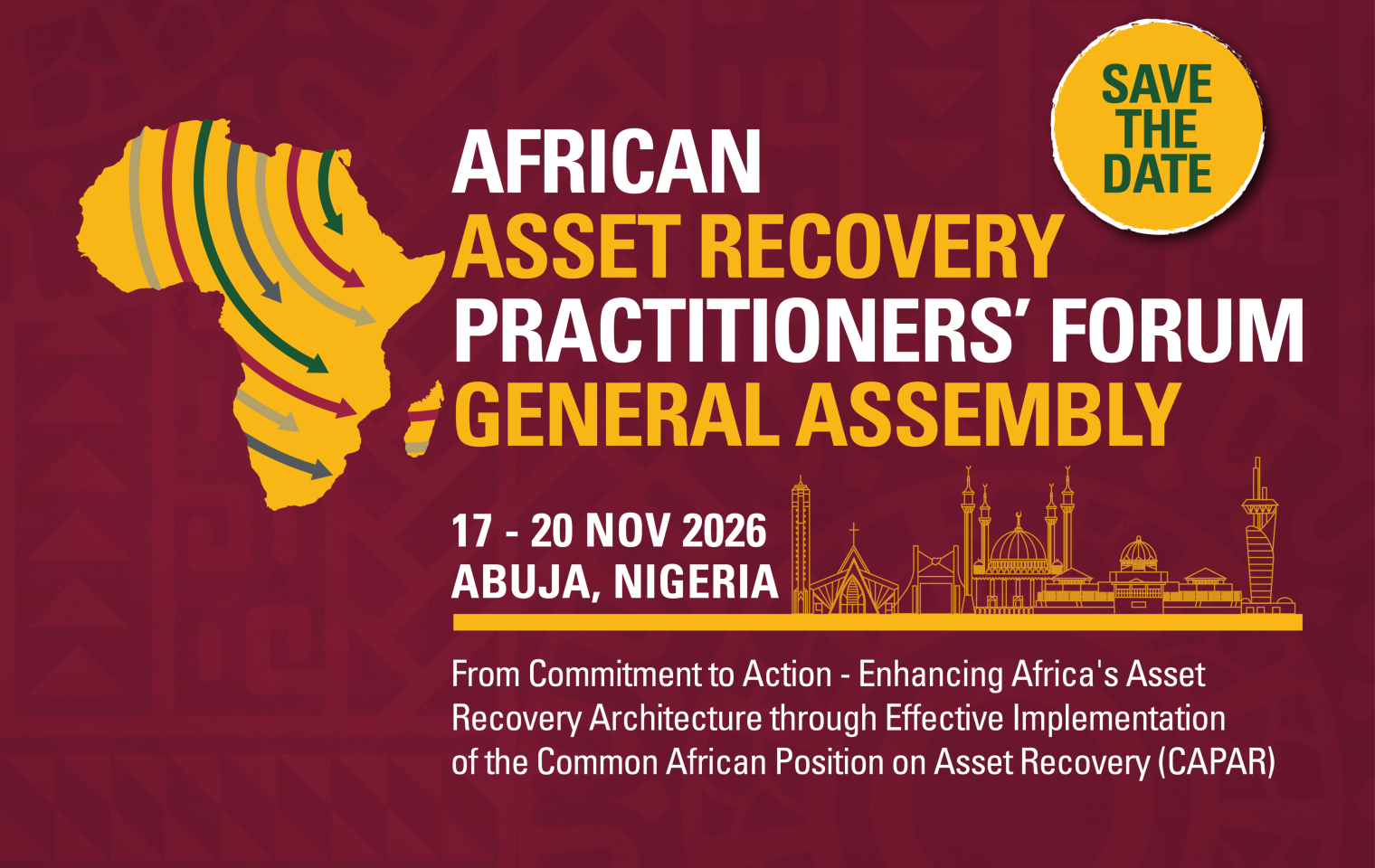
The inaugural General Assembly of the African Asset Recovery Practitioners’ Forum (AARP Forum), scheduled for November 17 to 20, 2026, will be hosted by Nigeria through the Independent Corrupt Practices and Other Related Offences Commission (ICPC), in collaboration with the African Union Commission (AUC).
The four-day meeting will take place at the Abuja Continental Hotel under the theme,** “From Commitment to Action: Enhancing Africa’s Asset Recovery Architecture through Effective Implementation of the Common African Position on Asset Recovery (CAPAR).”**
The gathering comes as African countries face persistent challenges in recovering wealth illicitly transferred across borders, particularly assets held in foreign jurisdictions. Although several governments have strengthened their legal and institutional frameworks for combating corruption, the processes of identifying, tracing, freezing, confiscating and repatriating stolen assets remain complicated by weak institutional capacity, fragmented cooperation and lengthy legal procedures.
According to the African Union Commission, the meeting is being convened through its Department of Political Affairs, Peace and Security (PAPS) and the African Union Advisory Board Against Corruption (AUABC), with Nigeria serving as host through the ICPC.
Participants will include senior representatives of national anti-corruption agencies, asset recovery institutions, prosecution authorities, law enforcement agencies and financial intelligence units. Regional and international organisations, development partners and civil society groups are also expected to participate.
A major objective of the assembly is to move the AARP Forum from its interim arrangement into a permanent institutional structure. Established in Nairobi, Kenya, in April 2025, the Forum provides a continental platform for practitioners from the African Union's 55 member states to exchange expertise, share operational experiences and develop practical approaches to improving asset recovery.
The General Assembly, which serves as the Forum's supreme decision-making body, is expected to formally establish its Steering Council and thematic Working Groups, which will guide its activities and strengthen coordination among member institutions.
Another significant item on the agenda is the adoption of the CAPAR Reporting Tool, a continental mechanism designed to monitor and assess how effectively member states are implementing the Common African Position on Asset Recovery.
Participants will also validate findings from the Continental Study on Mutual Legal Assistance in Africa, an initiative expected to provide insights into the legal and institutional obstacles affecting cross-border cooperation in asset recovery.
These initiatives are particularly important because recovering stolen assets often requires cooperation between the countries from which funds originate and the jurisdictions where they are concealed. Differences in national laws, evidence requirements and judicial procedures can complicate investigations and delay the return of recovered wealth.
The meeting is expected to conclude with the adoption of a General Assembly Communiqué outlining collective commitments and recommendations, alongside the formal establishment of the Forum's permanent governance structures.
Africa's broader asset recovery agenda
The Abuja meeting builds on the African Union's adoption of the Common African Position on Asset Recovery (CAPAR) in February 2020. Unanimously adopted by African Heads of State and Government at the AU's 33rd Ordinary Session in Addis Ababa, Ethiopia, CAPAR provides a common continental policy and advocacy framework for identifying, recovering and returning assets acquired through corruption and other illicit activities.
The framework was developed against the backdrop of persistent illicit financial flows from Africa and concerns over the difficulties African countries face in reclaiming wealth held outside their borders. It also recognises that recovered assets should ultimately contribute to the development priorities and welfare of citizens in the countries from which they were taken.
The African Union has positioned asset recovery as an important component of its Agenda 2063 ambitions, particularly its objectives around accountable institutions, sustainable development and greater mobilisation of domestic resources.
For Africa, recovering stolen wealth is not simply an anti-corruption exercise. It is also a question of development financing and economic sovereignty. Every asset successfully recovered and responsibly returned represents resources that could otherwise remain unavailable to the countries and communities from which they were taken. However, the success of the Abuja assembly will depend less on the commitments announced at the meeting than on whether participating governments can translate them into stronger investigations, faster legal cooperation and transparent management of recovered assets. Africa has already established a continental position on the issue. The more difficult task is ensuring that the framework delivers measurable results.
Source archive dated 16 Nov 2026. This article is not a live update.
African Union
Request a correction →