
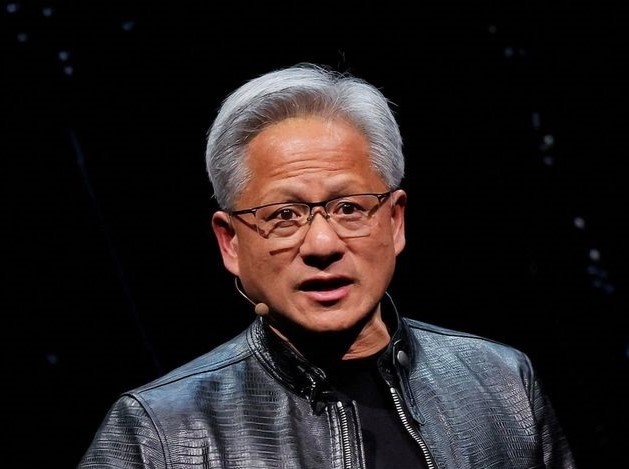
Just days after stepping down as chief execu[tive of Nvidia, Jensen Huang is reportedly considering a return to the company he co-founded, as influential figures across Silicon Valley begin organising a campaign to persuade its board to reinstate him.
The Financial Times reported on November 15, citing people familiar with the discussions, that Huang has spoken with close confidants about the possibility of returning to the helm of the world's most valuable semiconductor companies. The campaign reportedly has Huang's backing, with some of his allies preparing to lobby Nvidia's board and seek support from the White House.
The development introduces fresh uncertainty into a leadership transition that Nvidia had appeared to be managing through an interim appointment and a search for a permanent successor.
Huang's departure followed an independent board investigation into allegations surrounding his relationship with Alice Huang, a former executive of Singapore-based Megaspeed International, who US authorities reportedly suspected of having links to Chinese intelligence.
For a company whose processors sit at the centre of the global artificial intelligence industry, the leadership question extends beyond corporate succession. It also touches on investor confidence, national security scrutiny and the future of one of the most strategically important businesses in the technology sector.
Silicon Valley allies organise comeback campaign
According to the Financial Times, a group of prominent technology executives and Huang's allies are preparing to establish what one source described as a "war room" to coordinate efforts to secure his return.
The group reportedly intends to approach Nvidia's board and enlist support from influential figures in Washington, including the White House. One of Huang's allies told the newspaper: "Everyone that matters in tech outside the frontier labs loves Jensen."
The remark reflects the considerable standing Huang has built across the technology industry during his more than three decades leading Nvidia. He is widely credited with transforming the company from a graphics processor manufacturer into a central supplier of the computing infrastructure powering the artificial intelligence boom.
However, industry admiration does not automatically translate into boardroom support. Nvidia's directors must weigh Huang's contributions against the circumstances surrounding his departure, the company's governance responsibilities and the potential consequences of reversing their decision.
Nvidia considers succession alternatives
While efforts to bring Huang back gather momentum, Nvidia's board is reportedly exploring alternatives. The Financial Times previously reported that the board had approached Rene Haas, chief executive of British semiconductor and chip-design company Arm Holdings, as a possible successor.
Arm occupies an important position in the global semiconductor industry through its processor architecture, which is licensed to manufacturers and powers a substantial share of the world's smartphones. Its technology is also gaining relevance in data centres and other computing applications. Haas's reported emergence as a potential candidate suggests Nvidia could be considering leadership options beyond its existing executive team.
For now, however, Colette Kress, Nvidia's longtime chief financial officer, is serving as interim CEO while the board searches for a permanent replacement. The company has not publicly confirmed Haas as its preferred candidate or announced a formal appointment process involving him.
The investigation behind Huang's resignation
Reports by The New York Times and other international media alleged that Alice Huang had connections to China's intelligence services. US authorities reportedly investigated whether she had been involved in an intelligence operation targeting Jensen Huang and whether Megaspeed's business activities raised concerns about the movement of advanced Nvidia processors to Chinese interests.
Nvidia's board subsequently initiated an independent investigation, announced on November 10, to examine the allegations and potential implications for the company.
The concerns are particularly significant because Nvidia operates at the centre of Washington's efforts to restrict China's access to advanced artificial intelligence chips. Its products are critical to training and running sophisticated AI systems, making the company's export compliance and customer relationships matters of national security.
However, the existence of an investigation does not establish that Nvidia's confidential information was compromised or that Huang knowingly participated in any intelligence operation.
On November 11, Nvidia's board accepted Huang's resignation, effective immediately. The company publicly announced the transition the following day, confirming Kress as interim CEO and appointing longtime board member Harvey C. Jones as its first-ever board chair.
Nvidia said it expected its operations, customer commitments and product roadmap to continue without interruption.
Nvidia's leadership uncertainty comes at a particularly sensitive moment for the global technology industry. The company is not simply another chipmaker: its processors, software ecosystem and computing platforms have become foundational to the expansion of generative AI, cloud infrastructure and advanced computing. That position makes the identity of its chief executive important to investors, technology companies and governments competing for control of the AI supply chain. Huang's potential return would offer continuity and restore the leadership of the executive most closely associated with Nvidia's transformation. But reinstating him while questions surrounding corporate governance, national security and his departure remain unresolved could create its own risks.
Source archive dated 16 Nov 2026. This article is not a live update.
Jensen Huang
Request a correction →