Gozie Nwabunwanne is a Nigerian journalist, creative writer, playwright, and media researcher. He studied Mass Communication at the University of Nigeria, Nsukka, where he developed a strong interest in journalism, literature, and the power of storytelling.
Gozie Nwabunwanne is a Nigerian journalist, creative writer, playwright, and media researcher. He studied Mass Communication at the University of Nigeria, Nsukka, where he developed a strong interest in journalism, literature, and the power of storytelling.
He has contributed to publications including Prime Business Africa and Crips NG, covering current affairs, business, education, and other public-interest issues. He is a former President of the University of Nigeria Campus Journalists (UCJ-UNN) and a recipient of the Departmental Writer of the Year Award (2025).
Beyond journalism, Gozie is passionate about African literature, cultural heritage, folklore, and creative storytelling. His works explore human experiences, social realities, and the complexities of society.
The 2027 Budget gives the country’s $10 billion economic transformation programme its first-year allocation, eight investment pillars and a financing plan. But turning the commitments into productive businesses, jobs and exports will be the real test.
The additional financing takes the ACReSAL programme to $1.2 billion, but conflicting performance figures and the challenge of translating environmental restoration into reduced violence raise important questions about accountability.
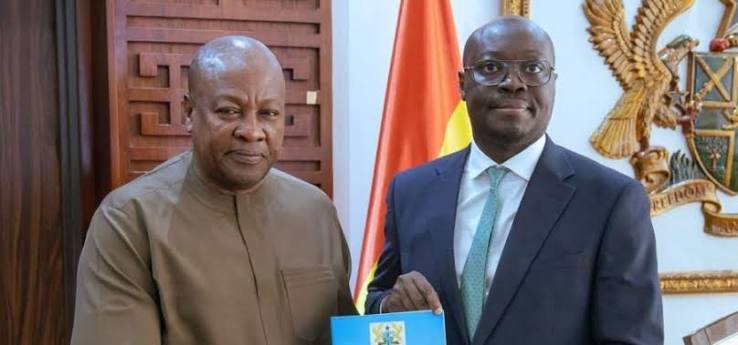
The Mahama administration wants to channel investment into agriculture, manufacturing and local processing. Thursday's Budget must explain how the money will be raised, where it will go and how it will translate into jobs.
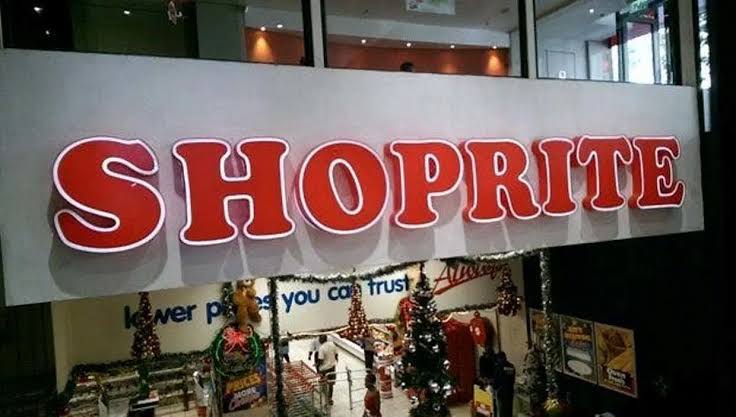
Shoprite’s Nigerian business is changing how it wants to sell groceries. After years of struggling with high rents, foreign exchange losses and operating costs, the retailer plans to expand through smaller neighbourhood stores rather than rely mainly on large shopping malls.
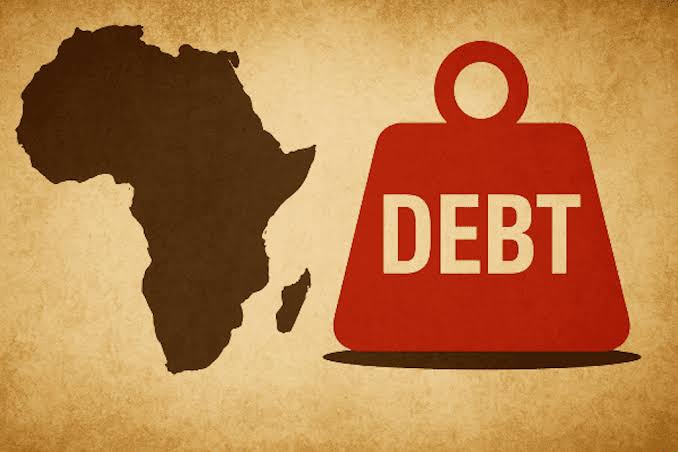
African governments are making progress in stabilising public debt, but the cost of servicing existing loans continues to limit how much they can spend on infrastructure, healthcare, education and other development priorities.
KCB Bank Tanzania has integrated PayPal into its mobile banking app, giving customers a way to receive payments from overseas clients and transfer the money into their local bank accounts.