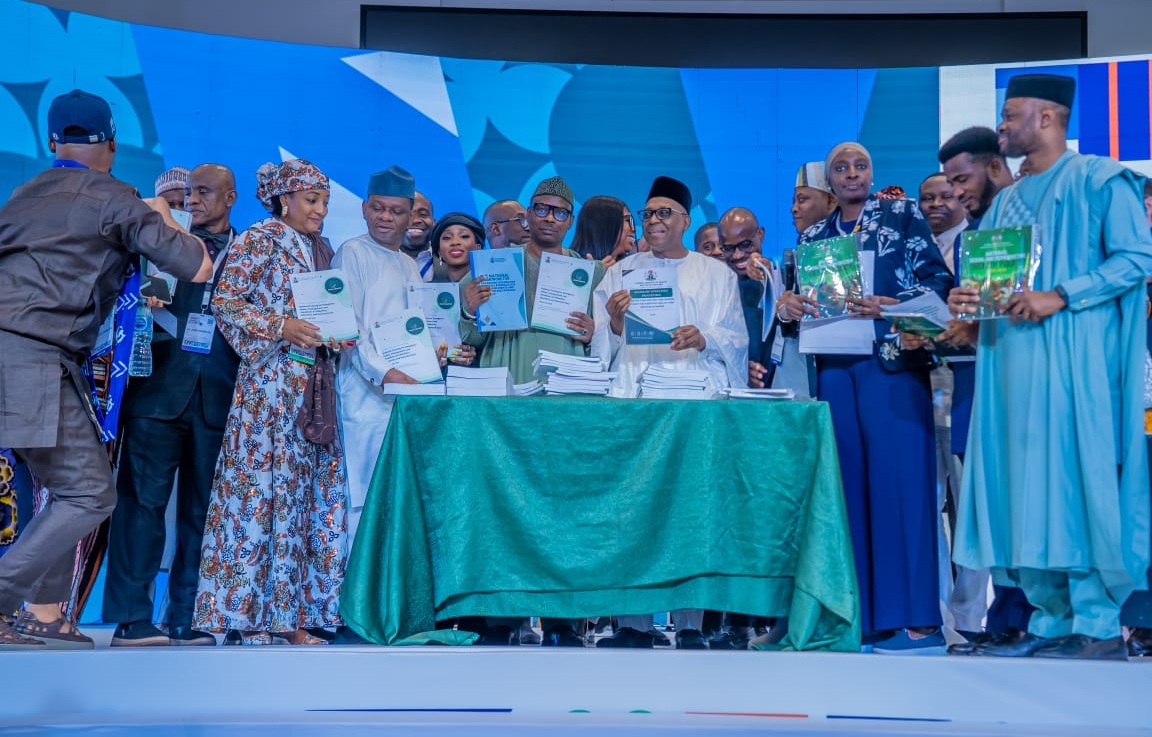
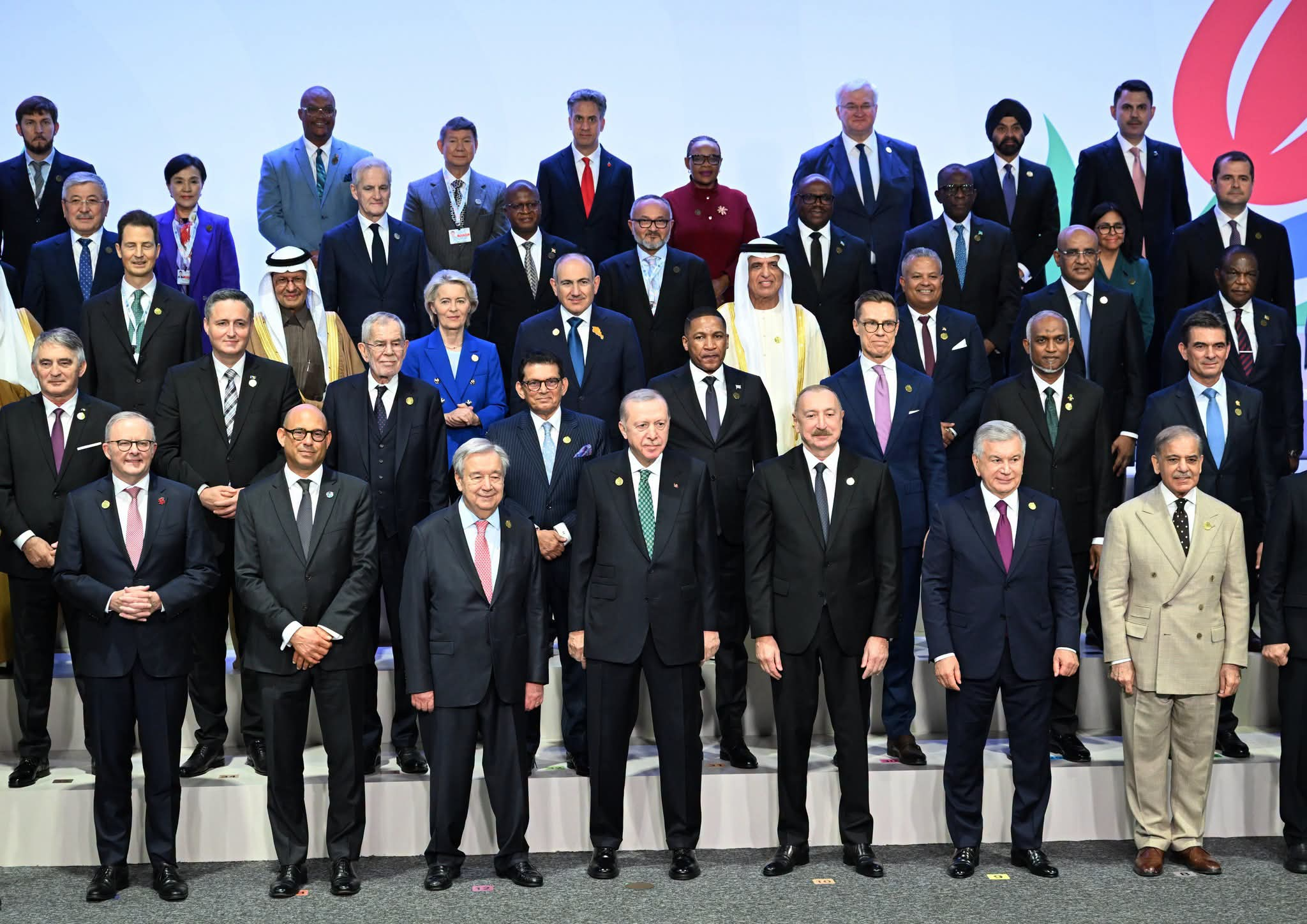
The United Nations Conference on Trade and Development (UNCTAD) launched its Global Carbon Market Network (GCMN) at the 31st United Nations Climate Change Conference (COP31) held in Ankara, Turkey, today bringing together key players in global carbon markets to strengthen cooperation and mobilise climate finance, particularly for developing economies.
The network, convened by UNCTAD, is a market-oriented, multi-stakeholder platform that connects carbon exchanges, financial institutions, investors, project developers, standard-setting bodies and market infrastructure providers to promote credible, efficient and interconnected carbon markets.
The initiative also aims to support the implementation of Article 6 of the Paris Agreement, which provides a framework for countries to cooperate in reducing greenhouse gas emissions through internationally transferred mitigation outcomes and other carbon market mechanisms.
UNCTAD's intervention comes as carbon pricing gains traction globally. Emissions trading systems and carbon taxes now cover nearly 30% of global greenhouse gas emissions and generated more than $107 billion in public revenue in 2025, according to the organisation. Yet the growth of carbon pricing has not automatically translated into accessible financing for climate projects in developing countries.
At the launch, UNCTAD Acting Secretary-General Pedro Manuel Moreno delivered the opening remarks, while Nan Li Collins, Chair of the UN Sustainable Stock Exchanges Initiative and Lead of the World Investment Forum, presented the network's vision, objectives and priorities.
The event also featured remarks from Oman's Minister of Energy and Minerals, Salim bin Nasser Al Aufi; Sammy Yeung, Hong Kong SAR's Commissioner for Climate Change; and Yousef Mohammed Alhorr, Founding Chairman of Qatar's Global Carbon Council.
The network's co-chairs, Ma Jun, Chairman of the Hong Kong Green Finance Association and the Capacity-building Alliance for Sustainable Investment (CASI), and Mike Zehetmayr, Chair of the UK Carbon Market Forum, outlined its strategic direction and opportunities for cooperation.
Its founding members include institutions with growing relevance to Africa's financial and climate investment landscape. They include Casablanca Finance City Authority, the Nigeria Sovereign Investment Authority (NSIA) and the Johannesburg Stock Exchange, alongside Climate Impact X in Singapore, Verra, the Indonesia Stock Exchange, the Macao International Carbon Emission Exchange and the Astana International Financial Centre.
The network's initial programme of work includes capacity-building, benchmarking market practices, producing a global report on the state of carbon markets and engaging with emissions trading system regulators on technical and interoperability issues.
For African economies, the opportunity is significant but not automatic. The continent has considerable potential to develop carbon projects across renewable energy, forestry, agriculture and other nature-based solutions. Turning that potential into investable assets, however, requires credible measurement and verification systems, transparent regulation, functioning market infrastructure and safeguards that ensure local communities and project developers receive a fair share of the economic benefits.
For developing economies, the network is expected to provide a platform for greater access to international investors, improved market infrastructure and increased financing for carbon credit projects, supporting their transition towards more sustainable and low-carbon development.
Carbon markets could become an additional source of financing for Africa's climate transition, but access to international buyers alone will not deliver that outcome. African countries need the institutions, rules and technical capacity to participate on competitive terms. UNCTAD's new network could help build those connections. Its real test, however, will be whether it moves beyond convening market participants to helping capital reach credible projects on the ground.
Source archive dated 12 Nov 2026. This article is not a live update.
UNCTAD
Request a correction →