Low- and middle-income countries’ external debt rose by 5.5 per cent to a record $9.4 trillion in 2025, as governments returned to international bond markets and private lenders increased financing, but borrowing costs remained high, according to the World Bank.
The increase was the fastest since 2021 and about four times the average annual growth recorded between 2022 and 2024, the bank said in its International Debt Report 2026, released on November 5.
The return of private capital to developing economies has improved access to international financing, but the cost of that access remains a concern, particularly for countries with limited fiscal room to fund public services and infrastructure.
Public-sector bond issuance rose by nearly 35 per cent to $251 billion in 2025, its highest level in five years, as more countries regained access to international markets. External debt in countries eligible for concessional financing from the World Bank’s International Development Association (IDA) grew even faster, rising 8.1 per cent to $1.3 trillion.
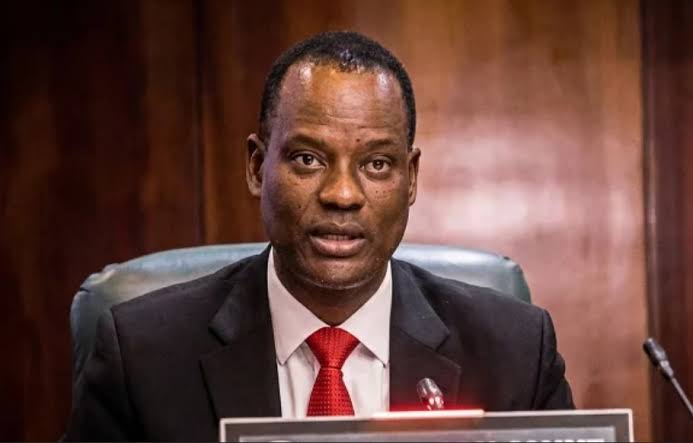
“The return of private lending to low- and middle-income countries is welcome, but these countries are borrowing more, paying more, and in many cases leaving less for long-term development,” said the World Bank Group’s Chief Statistician and Director of Development Data, Haishan Fu,
The cost of borrowing was particularly steep for IDA-eligible countries. They paid an average interest rate of 8.2 per cent on new commitments from private creditors in 2025, the highest since 1989, while the average rate on new bonds was 9.4 per cent.
The difference between the interest rates these countries paid to official and private creditors widened from 3.4 percentage points in 2016 to 5.5 percentage points in 2025.
By comparison, countries eligible for financing from the World Bank’s International Bank for Reconstruction and Development (IBRD) paid an average of 5.5 per cent on new bonds, down from 5.8 per cent in 2024.
The pressure is also evident in the amount governments are spending to service existing obligations. Low- and middle-income countries paid $1.4 trillion in principal and interest in 2025, a 1.9 per cent increase and the fifth consecutive annual rise. Payments to bondholders reached $363 billion, partly reflecting debt buybacks and early repayments financed through new bond issues.
Some governments issued fresh bonds to refinance maturing obligations and spread repayments over longer periods. While this can ease immediate repayment pressure, it does not necessarily reduce the total debt owed and can increase financing costs when new borrowing attracts higher interest rates.
The World Bank said early data for 2026 showed that demand for international bond financing had continued despite the high costs. By mid-August, more than 10 countries had already exceeded their full-year 2025 issuance, while several others had returned to the market.
Nigeria’s debt position reflects the wider exposure of developing economies to external financing, although its figures should be distinguished from the World Bank’s aggregate data.
The bank’s International Debt Statistics 2026 puts Nigeria’s total external debt stock at $145.02 billion at the end of 2025, up from $135.99 billion in 2024, an increase of about 6.6 per cent.
The figure covers external obligations across public and private sectors, including private borrowing, and is not the same as the Federal Government’s external debt. The World Bank’s data put Nigeria’s public and publicly guaranteed external debt at $56.88 billion in 2025.
Nigeria also spent $1.82 billion servicing its external debt between January and June 2026, according to the Debt Management Office. Interest payments accounted for $1.11 billion, or about 61 per cent of the total, showing the growing weight of interest costs in the country’s external debt payments.
Across low- and middle-income countries, the World Bank found that debt service exceeded new financing received by $436 billion between 2022 and 2025. Although long-term debt flows turned around in 2025, moving from a net outflow of $118 billion in 2024 to a net inflow of $45 billion, the cumulative financing gap highlights the pressure repayments have placed on developing economies.
Exchange-rate movements also contributed to the increase in reported debt. More than a quarter of the $303 billion rise in public and publicly guaranteed debt was linked to the weaker US dollar, which increased the dollar value of debt denominated in other currencies.
For some of the largest concessional borrowers, the effect of currency movements was greater than the principal they repaid during the year, leaving their reported debt stocks higher despite making repayments.
The return of international investors may give developing countries more options to finance their budgets, but access to capital is not the same as affordable financing. When governments borrow at high rates and spend increasing amounts on repayments, fewer resources remain for power, transport, healthcare, education and the infrastructure businesses need to grow. For Nigeria, the distinction between total external debt and government borrowing is important, but so is the cost of servicing public obligations. The challenge is not simply how much the country can borrow; it is whether new financing can support productive investment and generate enough economic returns to justify the cost.
Source archive dated 9 Nov 2026. This article is not a live update.
World Bank
Request a correction →