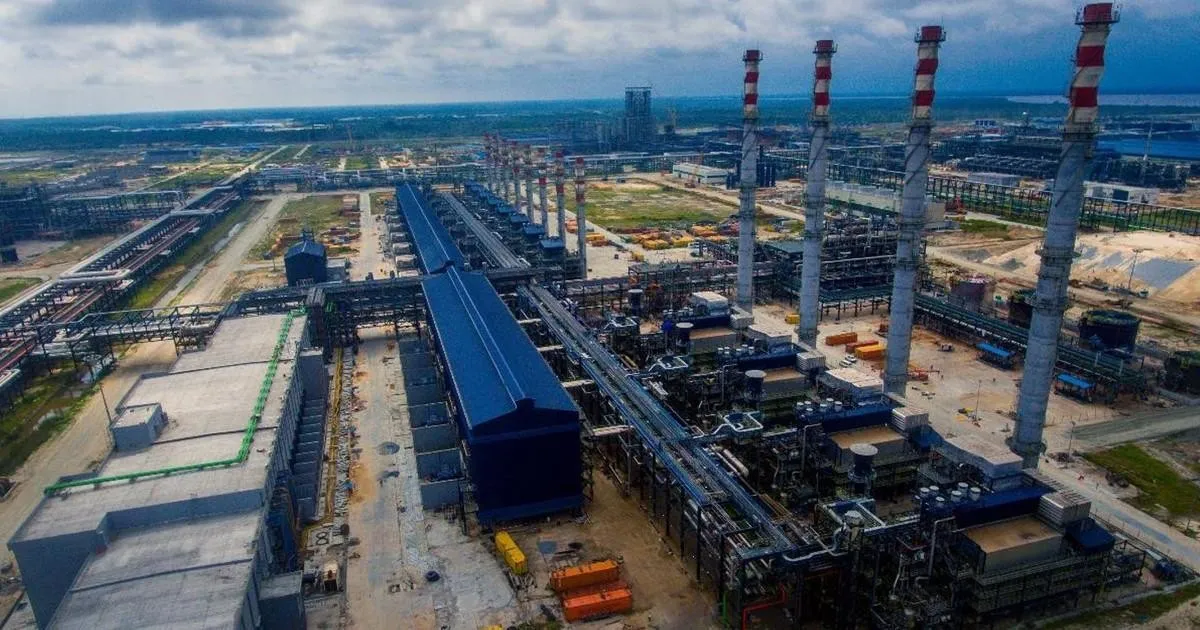

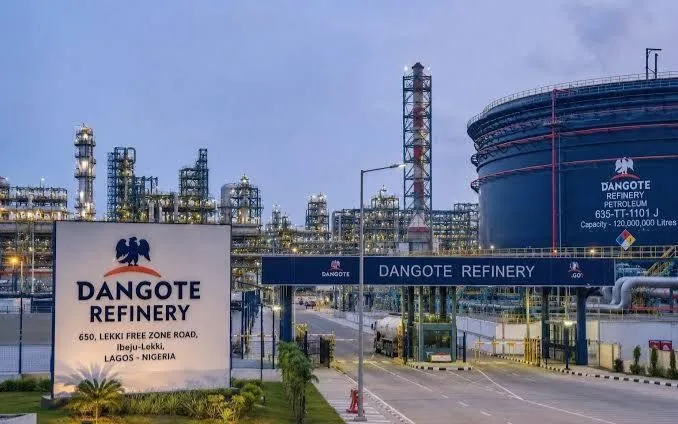
Nigeria’s Securities and Exchange Commission (SEC) has approved the share-allocation plan for Dangote Petroleum Refinery’s heavily oversubscribed initial public offering (IPO), bringing millions of investors a step closer to owning a stake in one of Africa’s largest industrial projects.
The approval, reported by *Reuters *on Monday, November 23, ends weeks of uncertainty surrounding the distribution of shares after the offer attracted demand approximately three times its original size. It also clears the way for Dangote Petroleum Refinery and Petrochemicals FZE to proceed with allotments and preparations for its anticipated listing on the Nigerian Exchange (NGX) later this month.
However, regulatory approval does not mean investors have received their shares. The final allotment announcement, which will establish how many shares individual applicants actually receive and how much money must be refunded, is still awaited.
The distinction matters particularly for first-time investors who joined what Aliko Dangote has promoted as the People’s IPO, an offering designed to make ownership of the refinery accessible beyond wealthy individuals and institutional investors.
With shares priced at ₦525 each, Nigerians could participate with a minimum investment of just ₦5,250 for 10 shares. At approximately $4, depending on the exchange rate used, the entry requirement was deliberately kept low enough to attract ordinary retail investors.
An IPO that attracted far more money than it could accommodate
The scale of investor interest created an allocation problem from the outset. The refinery initially offered 4.1 billion ordinary shares, targeting approximately ₦2.15 trillion. But the offer attracted subscriptions worth nearly ₦6 trillion, roughly three times the original offering, according to Reuters.
The oversubscription reflected demand from a broad mix of investors, including Nigerian individuals, pension funds and international institutions seeking exposure to the refinery's long-term commercial prospects.
The company has also attracted interest beyond Nigeria. Earlier reporting by Reuters indicated that investors from across Africa and more than 100 countries had participated, highlighting the international appetite for exposure to the country's expanding energy and industrial infrastructure.
When an IPO receives more applications than the available shares can satisfy, the issuer must determine how the shares will be distributed. This process is known as the basis of allotment.
It determines how much of each investor's application will be honoured, how much will be rejected and how much of the subscription money must be returned.
For the Dangote offering, that decision became particularly sensitive because the company had made accessibility for smaller investors a central part of its public messaging.
Why the SEC's approval took longer than expected
The SEC's approval was initially expected around November 17, following the submission of the proposed allotment arrangements.
However, BusinessDay reported that the regulator was withholding its approval while examining whether the proposed distribution adequately protected smaller investors from being crowded out by larger subscribers.
The distinction between retail and institutional participation is important. Under the IPO prospectus, ordinary applications could start from 10 shares, while applications through the Investor Application Form required a minimum of 50,000 shares. At ₦525 per share, that institutional application threshold represents ₦26.25 million.
The two application routes therefore catered to investors operating at very different financial scales.
Dangote had previously indicated that smaller applicants should receive priority, particularly those investing ₦50,000 or ₦100,000, before the remaining shares were distributed among larger investors.
The SEC's reported scrutiny reflects a broader concern about investor protection: an offering marketed to millions of ordinary people cannot credibly be called inclusive if the allocation process ultimately favours those with the deepest pockets.
Retail investors are expected to get their full allocations
There are encouraging indications for smaller applicants, although the final figures remain unconfirmed.
Reuters reported on November 17 that retail investors were expected to receive all the shares they requested, while domestic pension funds would receive allocations close to their applications. International investors were expected to bear most of the reductions.
The refinery was also considering expanding the IPO by up to 30%, potentially increasing the number of shares available from 4.1 billion to approximately 5.33 billion. That could lift the value of the offering to around $2.1 billion.
However, the proposed expansion is a separate regulatory matter. As of Reuters' November 23 report, the company was still seeking approval for the increase. The SEC's approval of the allocation plan should not be interpreted as confirmation that the additional shares have also been approved.
If implemented, the expansion would give the company more room to accommodate investor demand without forcing substantial reductions across all applicant categories.
Aliko Dangote is also expected to retain approximately 83.5% ownership of the refinery after the original offering and proposed expansion, according to Reuters' reporting on the transaction. This would leave the public with a relatively small ownership interest despite the scale of the fundraising.
What happens to investors' money now?
For investors who applied through digital investment platforms, the immediate concern is straightforward: when will their shares arrive, and what happens to the money for applications that are not fully satisfied?
The offer price was ₦525 per share, meaning someone applying for 10 shares committed ₦5,250. Applicants who requested larger allocations paid the corresponding amount upfront.
Under the published IPO arrangements, investors who receive fewer shares than they requested are entitled to refunds of the surplus subscription money. The offer's investor information also provides for refunds within five business days after allotment.
The official IPO information portal explains that rejected applications and surplus funds will be returned to investors, together with any accrued interest or profit.
Successful applicants, meanwhile, will have their allotted shares credited electronically to their Central Securities Clearing System (CSCS) accounts.
For people participating in the stock market for the first time, this is an important part of the process. Applying for shares does not automatically make someone a shareholder. The allotment must be completed, the shares credited and the listing process finalised.
Investors should therefore retain their subscription confirmations and ensure that their banking and CSCS details are accurate while awaiting the official announcement.
Dangote's refinery IPO is more than a capital-raising exercise. It is also an important test of whether ordinary Nigerians can participate meaningfully in the ownership of the country's biggest private-sector industrial investments. For years, access to large-scale investment opportunities in Nigeria has largely been concentrated among institutional investors and individuals with substantial financial resources. By setting the minimum subscription at ₦5,250, the refinery created an opportunity for people who might otherwise never have considered owning shares in such an asset. But accessibility at the application stage is only half the promise. The real measure of an inclusive public offering is whether smaller investors receive fair treatment when demand exceeds supply. The SEC's approval is an important step, but the final allotment will provide the more meaningful answer. If ordinary investors receive the allocations they were promised, the offering could strengthen public confidence in Nigeria's capital market and demonstrate that large industrial assets can attract broader domestic ownership. If the process falls short, however, the People's IPO risks becoming a reminder that making investment affordable does not necessarily mean making ownership equitable. For the millions who committed their money, the next announcement is therefore more important than the marketing campaign that brought them into the offer.
Dangote Refinery
Request a correction