Africa has no shortage of creative talent. Its musicians are filling international arenas, filmmakers are attracting global audiences, fashion designers are building recognisable brands, and its food culture is finding new markets. But turning that cultural influence into profitable, sustainable businesses remains a different challenge.
The gap between creative talent and commercial success is what the African Export-Import Bank (Afreximbank) is seeking to address with a new free training programme designed to help African creatives build businesses around their work.
The bank, through its Afreximbank Academy (AFRACAD), has launched the CANEX Capacity-Building Programme, an initiative that will equip creative professionals and entrepreneurs with practical skills in business development, intellectual property protection, marketing and commercialisation.
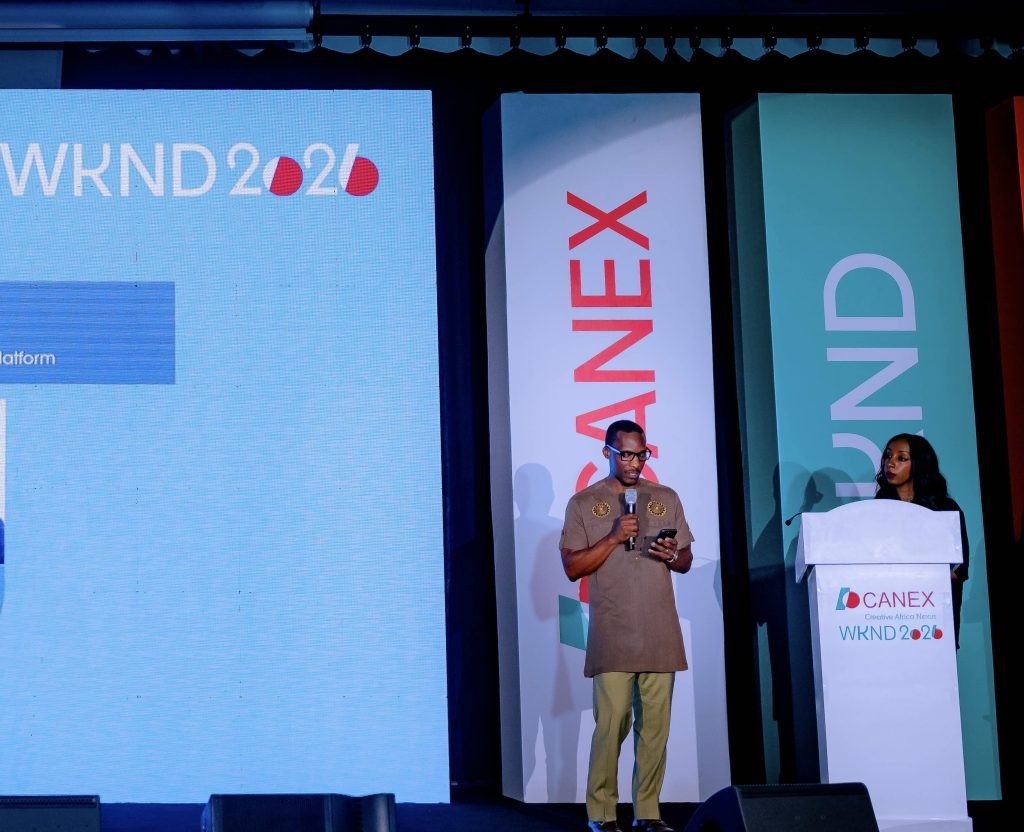
The programme was announced in Lagos on November 18, with Afreximbank positioning the initiative as an extension of its efforts to develop Africa’s creative industries beyond financial support.
Developed in collaboration with the bank’s Creative Africa Nexus (CANEX) programme, it targets emerging and established creative professionals, entrepreneurs and small and medium-sized enterprises (SMEs) across Africa and its diaspora.
At its core is a recognition that producing good music, making compelling films or designing distinctive fashion does not automatically translate into a viable business. Creatives also need to understand how to price their work, negotiate commercial agreements, protect ownership rights, build brands and distribute their products to paying audiences.
Speaking at the launch, Afreximbank’s Group Managing Director for Human Resources, Stephen T. Kauma, said the bank wanted to invest in the people behind Africa’s creative economy, rather than focus exclusively on financing creative enterprises.
“Africa’s creative industries possess extraordinary talent and potential, but talent alone cannot build globally competitive businesses,” Kauma said.
He added that the programme would provide creatives with the commercial knowledge and capabilities needed to protect their work, access markets and build sustainable enterprises.
The initiative reflects a broader economic challenge facing Africa’s creative industries: the ability to capture financial value from the cultural products and intellectual property generated on the continent.
African music, film, fashion and food are increasingly reaching audiences beyond their domestic markets. However, international visibility does not necessarily mean that African creators retain ownership of their intellectual property or capture a proportionate share of the revenue generated from their work.
For independent musicians, for instance, understanding licensing, royalties and distribution agreements can determine how much they earn from their recordings. For filmmakers, ownership rights, production financing and distribution arrangements can shape whether a commercially successful film generates lasting returns. Fashion businesses face similar questions around branding, pricing, production costs and access to international buyers.
Afreximbank's programme is designed to address some of these business and operational gaps through four specialised learning pathways under its Practice to Trade model. The pathways cover music, film, fashion and gastronomy, combining industry-specific production training with practical instruction in entrepreneurship, branding, marketing, distribution, commercialisation and business management.
The inclusion of gastronomy is particularly relevant to the bank's wider ambition of expanding the commercial reach of African cultural products, including food businesses that can benefit from stronger branding, product development and access to regional and international markets.
Mahlet Afework Gebremichael, an award-winning Ethiopian designer and founder of Mafi Mafi and Mafi Fashion Academy and Lab, welcomed the initiative, arguing that business education is essential to helping creative professionals build sustainable enterprises.
She noted that creatives needed to understand how to develop their brands, protect their intellectual property, price their products and reach new markets.
According to Gebremichael, programmes that connect artistic ability with practical commercial knowledge can help African creatives build businesses capable of competing internationally.
The training will be delivered at no cost through AFRACAD’s digital learning platform, making it accessible to creative professionals and businesses across Global Africa.
The initiative also builds on the academy's wider capacity-development activities. Established in October 2022, AFRACAD has reached more than 60,000 participants through its broader training programmes and expanded access to over 100,000 e-learning courses, according to Afreximbank.
Creative professionals can access the learning platform through https://mylearning.afracad.com
Africa's creative economy will not reach its full commercial potential simply because its music, films, fashion and food are attracting international attention. The more important question is whether the businesses and individuals producing these cultural assets can retain ownership, negotiate better commercial terms and capture more of the money generated by their work. Afreximbank's initiative addresses an important part of that challenge by recognising that creative industries require business capabilities alongside artistic talent and financing.
Afreximbank
Request a correction